
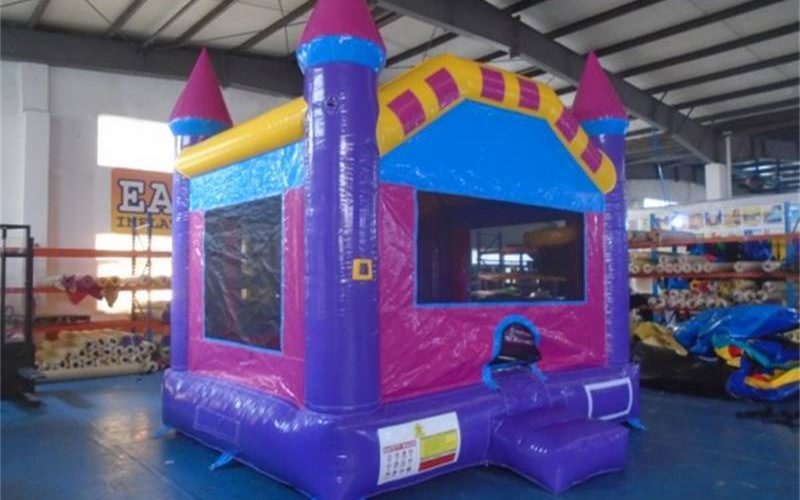
Operating a jumping castle rental business in Australia comes with a unique set of challenges, the most aggressive being the unrelenting Australian sun. In 2026, UV radiation levels remain a primary cause of “UV degradation”—a process that turns vibrant PVC dull, brittle, and prone to tearing.
If you want to protect your investment and maintain a professional-looking inventory, follow these industry-proven strategies to combat sun damage.
1. Start with UV-Stabilized Commercial Materials
The best defense begins at the manufacturing stage. Not all PVC is created equal. High-quality inflatables designed for the Australian climate should be manufactured using 0.55mm commercial-grade PVC that incorporates UV inhibitors like Titanium Dioxide (TiO2).
When sourcing new stock, prioritize manufacturers who provide transparent material specifications. By choosing equipment built with high-density, UV-stabilized fabric, you ensure that the molecular bonds of the PVC remain intact even under high-exposure conditions, preventing the premature “chalking” or fading common in budget-tier alternatives.
2. Apply a Professional UV Protectant
Think of this as “sunscreen” for your inflatables. Using a high-quality polymer protectant (such as 303 Aerospace Protectant) can significantly extend the life of your vinyl.
- How it works: These sprays create a sacrificial barrier that absorbs UV rays before they reach the PVC.
- Application: Apply the protectant after a deep clean during your off-season maintenance. Wipe it onto dry surfaces to restore luster and flexibility.
- Pro Tip: Avoid applying these silicons to the actual jumping surface or slide lanes, as it can make them dangerously slippery for children.
3. Implement “Shade Management” on Event Days
While you can’t always control where a customer wants their castle, you can provide professional guidance to minimize peak-sun exposure.
- Strategic Placement: Whenever possible, set up the inflatable in the shadow of buildings or large trees (ensuring no branches can puncture the unit).
- The Tarp Technique: If there is a long gap between setup and the start of the event, consider covering the deflated unit with a light-colored, reflective tarp to prevent heat absorption.
4. Avoid the “Greenhouse Effect” in Storage
Sun damage doesn’t just happen outdoors; heat can be just as destructive in storage.
Never roll up an inflatable that is still hot from the sun and slightly damp. This creates a “greenhouse effect” inside the roll, accelerating chemical breakdown and mold growth. Always allow the unit to cool down in a shaded area and ensure it is bone-dry before transporting it back to a well-ventilated, climate-controlled warehouse.
5. Monitor for “Chalking” and Surface Brittleness
Regularly inspect your inventory for “chalking”—a white, powdery residue on the surface of the PVC. This is a clear sign of UV damage. If detected early, a deep conditioning treatment can slow the progression. However, if the material feels brittle or “crispy” to the touch, it may no longer meet the tear-strength requirements of AS 3533.4.1, and a professional repair or replacement should be considered.
The Bottom Line
In the Australian rental market, your inventory’s appearance is your best marketing tool. By investing in premium equipment built to international safety standards and maintaining a strict UV-protection routine, you can ensure your castles stay bright, safe, and profitable for years to come.