
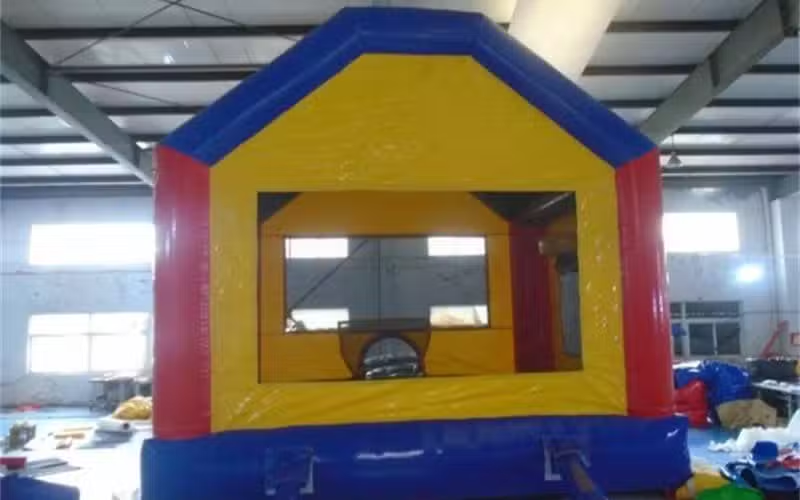
A jumping castle should be inspected and given a basic clean after every hire or event. It should be cleaned immediately after visible contamination and given a more thorough deep clean whenever its condition, usage or storage history requires it.
A castle used commercially every weekend will need more frequent attention than one used occasionally in a private backyard. Instead of relying on a fixed number of days, use a cleaning schedule based on how often the inflatable operates and what happens during each event.
Cleaning Schedule at a Glance
After every hire: Remove debris, clean visible marks and inspect high-contact areas.
Immediately when required: Stop use and clean any food, mud, bodily fluids, animal waste or unidentified contamination.
At scheduled intervals: Deep-clean the complete inflatable according to its frequency of use and overall condition.
Before storage: Make sure the inflatable is clean and completely dry.
Before the next hire: Check again for dirt, odours, moisture and damage.
After Every Hire
Inspect the jumping castle while it is still fully inflated. This makes it easier to see the floor, walls, corners, entrance steps and internal play features.
Begin by removing loose items such as:
- Food wrappers
- Leaves and grass
- Confetti
- Small toys
- Sand and dirt
- Shoes or clothing left inside
Pay particular attention to the entrance, bouncing surface, slide lanes, climbing areas and handholds. These sections receive the most contact and are more likely to collect dirt or sticky residue.
Loose debris can usually be removed with a soft brush, broom or suitable vacuum. Visible marks should then be cleaned using a product and method that is suitable for the inflatable material.
Even when the castle appears clean, complete the inspection. Small sharp objects, clear liquids and damage around seams may not be immediately obvious.
Clean Immediately After Contamination
Some situations should not wait until the end of the event.
Stop use and isolate the affected area if the inflatable is contaminated by:
- Vomit, blood or urine
- Animal waste
- Food or sugary drinks
- Mud or dirty water
- Chemicals
- Unidentified liquids
The area should be cleaned before users are allowed to return. Bodily fluids and other potentially hazardous contamination may require a more specific cleaning and disinfecting procedure.
Wear suitable protective equipment and follow the instructions supplied with the cleaning product. Avoid spreading contamination from one area of the inflatable to another.
Never mix cleaning chemicals. Combining different products may create harmful fumes or damage the inflatable material.
When Does a Jumping Castle Need a Deep Clean?
A deep clean covers the entire inflatable rather than only the visible marks left after one event. It includes seams, corners, netting, entrance steps and sections that may be missed during routine cleaning.
A deep clean may be needed when:
- The castle has completed several busy hires
- Routine cleaning no longer removes all visible dirt
- It has been used in a muddy, sandy or dusty location
- Rainwater has entered the play area
- Food or drinks have been taken inside
- It has been stored for an extended period
- Odours or staining have appeared
- The unit is being prepared for a new season
There is no universal rule that every jumping castle must be deep-cleaned after a particular number of days. A busy rental operator may need to schedule this work frequently, while an occasionally used unit may need it less often.
The decision should be based on actual usage, inspection results and the care instructions for the individual model.
A Simple Cleaning Process
Cleaning methods may vary according to the inflatable and its material, but the general process can be organised into six stages.
1. Inflate and secure the castle
Clean the unit in a suitable area while it is fully inflated and correctly secured. Keep the blower and electrical connections protected.
2. Remove loose debris
Use a soft brush, broom or suitable vacuum to remove dry dirt before applying any cleaning product.
3. Work in sections
Start with the cleanest or highest areas and move gradually through the inflatable. This helps prevent dirty water from spreading back onto completed sections.
4. Clean high-contact surfaces
Use a soft cloth, sponge or non-abrasive brush. Avoid aggressive scrubbing, particularly on printed graphics, mesh panels and stitched seams.
5. Inspect while cleaning
Look for loose stitching, worn entrance areas, damaged netting, small cuts, punctures and unusual air loss. Remove the unit from service if any damage could affect its safe operation.
6. Remove residue and dry the unit
Wipe or rinse away remaining cleaning product according to its instructions. Do not allow large amounts of water to collect inside the inflatable.
Choose Cleaning Products Carefully
Cleaning removes visible dirt and organic matter. Disinfecting uses an appropriate product to reduce microorganisms. A visibly dirty surface should normally be cleaned before disinfectant is applied.
Use only products suitable for the inflatable material. Strong solvents, abrasive powders and harsh cleaning chemicals may fade colours, affect printed areas or damage the surface.
Test a new product on a small, inconspicuous section before applying it to the complete inflatable. Follow the product instructions for dilution, contact time and rinsing.
Cleaning requirements can vary between models and materials. Commercial owners should follow the care information supplied with the unit and confirm any unclear requirements with the manufacturer. Owners of inflatables supplied by East Inflatables Australia can also request model-specific guidance on cleaning and routine care.
Dry Completely Before Storage
Cleaning is not finished until the jumping castle is fully dry.
Water can remain inside seams, corners, entrance steps and beneath removable covers. Rolling the castle while damp may trap moisture between layers of material and contribute to mould, staining and unpleasant odours.
Remove standing water with absorbent towels or other suitable equipment. Keep the castle inflated in a dry, well-ventilated area until all surfaces have dried.
Do not use an unapproved heater, hair dryer or heat gun. Excessive heat may damage the material or create a fire risk.
Before packing, check the areas where water is most likely to collect. The underside and groundsheet should also be dry.
Check Again Before the Next Hire
A jumping castle that was clean when stored should still be inspected before its next event. Moisture, storage conditions or transport may affect the unit between bookings.
Confirm that the inflatable:
- Is dry and free from odours
- Has no visible dirt or contamination
- Shows no signs of mould
- Has no new damage
- Is ready for safe setup and use
Rental businesses should keep a simple record of cleaning dates, contamination, products used, damage identified and repairs required. This makes it easier to monitor the condition of each inflatable and prevents a unit from being sent to another booking before maintenance is complete.
The most reliable routine is straightforward: inspect and clean after every hire, respond immediately to contamination, schedule deep cleaning according to use and never store the inflatable while it is damp. This helps keep the jumping castle presentable, protects the material and prepares it for the next event.