
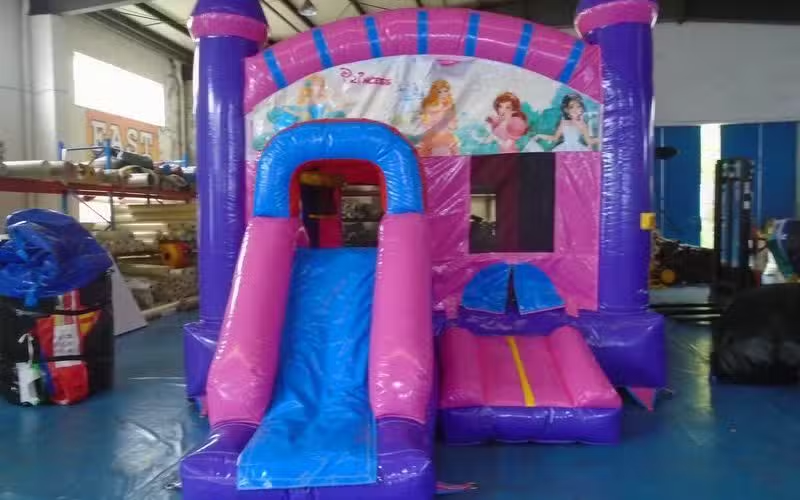
A colourful jumping castle may look simple from the outside, but a commercial inflatable is more than a fabric structure connected to a blower. Its design, materials, anchoring system, operating instructions and maintenance arrangements all contribute to safe use.
In Australia, land-borne inflatable amusement devices are covered by specific safety guidance and workplace health and safety responsibilities. Anyone buying, hiring or operating a jumping castle should therefore look beyond its colour, theme and price.
This guide explains the role of Australian standards, what fire-retardant material actually means and which product information should be checked before an inflatable is used.
The Main Australian Standard for Land-Based Inflatables
AS 3533.4.1:2018 is the Australian Standard specifically addressing land-borne inflatable amusement devices.
Its scope includes requirements and guidance relating to the design, manufacture, operation and maintenance of inflatables such as jumping castles, inflatable slides and obstacle courses.
The standard addresses several areas of safety, including:
- Structural integrity
- Flammability
- Setup requirements
- Anchoring
- Access and exit points
- Operating procedures
- Inspection and maintenance
- Emergency planning
The standard should not be treated as a simple product label or certificate. Safe operation also depends on whether the correct equipment is supplied, whether the inflatable is installed properly and whether operators follow the instructions for the exact model.
Does Every Jumping Castle Need Registration?
Not every inflatable is treated in exactly the same way.
Plant or amusement device registration requirements may depend on factors such as:
- The type of inflatable
- Its platform height
- Whether it uses continuous airflow
- How the device is classified
- The state or territory where it will operate
- Whether it will be used commercially or privately
A registration requirement that applies to a large commercial inflatable may not apply to a small backyard castle. Requirements and exemptions can also vary between Australian jurisdictions.
Owners and operators should check with the relevant state or territory regulator before purchasing or placing commercial equipment into service. A supplier’s general statement should not replace confirmation of the requirements that apply in the intended operating location.
What Materials Are Commercial Jumping Castles Made From?
Commercial jumping castles are commonly made from coated synthetic fabrics designed to combine flexibility with strength.
PVC-coated material is widely used because it can provide:
- A durable outer surface
- Resistance to regular cleaning
- Flexibility for folding and rolling
- Strength for repeated inflation
- Good colour and print retention
- Suitability for reinforced stitching
However, the description “PVC material” does not provide enough information to assess an entire inflatable.
Buyers should also consider:
- Material weight or thickness
- Base fabric construction
- Coating quality
- Seam design
- Stitching
- Reinforcement in high-wear areas
- Repair compatibility
- Relevant material test information
Two jumping castles made from materials described as PVC can still differ considerably in construction, durability and intended use.
What Does Fire-Retardant Material Mean?
The terms “fire-retardant” and “flame-retardant” generally describe material that has been treated or manufactured to resist ignition or slow flame spread under defined test conditions.
It does not mean the material is fireproof.
Fire-retardant fabric can still be damaged by:
- Open flames
- Heaters
- Cigarettes
- Cooking appliances
- Electrical faults
- Hot equipment
- Sparks and other ignition sources
A flammability test result applies to the material and test method identified in the report. It should not be interpreted as a guarantee that the complete jumping castle cannot burn.
Operators must still keep ignition sources away from the inflatable and manage blowers, electrical leads and nearby equipment correctly.
Does Fire-Retardant PVC Make a Jumping Castle Compliant?
No single material feature proves that a complete jumping castle meets every applicable Australian requirement.
Fire-retardant material may contribute to the product’s safety, but the complete assessment can also involve:
- The inflatable’s overall design
- Structural strength
- Wall and platform configuration
- Entry and exit design
- Anchor point placement
- Blower protection
- User limits
- Operating instructions
- Wind limits
- Inspection and maintenance procedures
A material test report should therefore be reviewed together with the specifications and documents for the complete inflatable.
Buyers should check that any test report clearly identifies:
- The material that was tested
- The applicable test method
- The test result
- The issuing laboratory
- The report date
- Whether the tested material matches the product being supplied
A generic report for an unidentified fabric provides limited information about the actual jumping castle.
Structural Strength Is More Than Material Thickness
Thicker or heavier material may be useful for commercial operation, but material thickness alone does not determine the strength or quality of a jumping castle.
The finished structure also depends on how the panels and high-load areas are designed and assembled.
Important areas can include:
- Anchor point reinforcement
- Entrance steps
- Climbing sections
- Slide platforms
- Internal dividers
- Floor-to-wall connections
- Inflation tubes
- Corners and transition points
- Areas exposed to frequent contact
A strong base fabric cannot compensate for unsuitable design, damaged stitching or poorly positioned reinforcement.
When comparing products, buyers should examine the complete construction rather than relying on one material figure or marketing description.
Why Correct Anchoring Remains Essential
An inflatable must be anchored correctly even when it is made from strong commercial material.
All required anchor points should be secured according to the manufacturer’s instructions. Using only some of the available points can place excessive force on those that remain connected and may allow the inflatable to shift or become unstable.
The correct anchoring method depends on:
- The inflatable’s design
- The number and location of its anchor points
- The ground surface
- The anchor type
- The direction of the applied forces
- The expected operating conditions
When ground stakes cannot be used on concrete, asphalt or another hard surface, an equivalent anchoring system may need to be designed or confirmed by a competent person.
Indoor operation does not remove the need for anchoring. Although outdoor wind loads may not be present, the inflatable still needs to remain stable while users move inside it.
Wind Monitoring and Operating Limits
Outdoor jumping castles should not be operated above their specified maximum wind speed.
Local conditions can differ from a general weather forecast, so commercial operators need an appropriate method of monitoring wind at the actual site. They should also know when to stop entry, evacuate users and deflate the equipment.
The operating manual should identify:
- The maximum permitted wind speed
- How wind should be monitored
- When users must exit
- How to deflate the inflatable safely
- What to do during an unexpected weather change
Correct anchoring does not mean an inflatable can continue operating in unsuitable weather.
The Blower and Electrical Equipment Matter Too
The blower is part of the complete operating system.
It should be suitable for the exact inflatable and guarded so that users cannot contact moving parts. The air inlet must remain clear, and the inflation tube should be connected correctly.
Operators should also consider:
- The required voltage and frequency
- The blower configuration specified for the model
- Safe cable placement
- Protection from water
- Suitable electrical connections
- Procedures for power interruption
- Inspection of plugs, leads and blower guards
A larger blower should not be used to increase the number of users or compensate for an air leak. If the inflatable becomes unusually soft, the cause should be identified before operation continues.
What Documentation Should Buyers Request?
Product photographs can help buyers compare themes and layouts, but they cannot confirm material performance, user capacity or operating requirements.
Buyers should ask the supplier or manufacturer to provide material specifications and operating documents for the exact inflatable. General information about a product range should not be used as a substitute for model-specific documentation.
Depending on the product and its intended use, useful information may include:
- Product dimensions
- Packed dimensions and weight
- Intended age group
- Maximum number and weight of users
- Material specifications
- Available material test reports
- Required blower configuration
- Number and location of anchor points
- Maximum operating wind speed
- Setup and operating instructions
- Inspection and maintenance guidance
- Emergency procedures
- Identification or data plate information
The documents should match the model being purchased. Information for a similar-looking inflatable should not automatically be applied to another product.
Responsibilities Continue After Purchase
Buying a commercial jumping castle with suitable materials and supporting information is only the beginning.
Owners and operators may still be responsible for:
- Inspecting the inflatable before use
- Maintaining it in safe working condition
- Recording faults and repairs
- Training operators and attendants
- Following user and weight limits
- Monitoring weather conditions
- Applying the correct anchoring system
- Managing access and supervision
- Storing the inflatable clean and dry
- Checking applicable registration requirements
Damage, unauthorised modifications or incorrect setup can affect equipment that was originally supplied with suitable materials and documentation.
A Practical Pre-Purchase Checklist
Before purchasing a jumping castle for commercial operation in Australia, confirm:
- Which Australian Standard or design basis applies?
- Is the inflatable intended for commercial use?
- What material is used?
- Is relevant flammability information available?
- Does the test report identify the material being supplied?
- What are the user and weight limits?
- Which blower configuration is required?
- How many anchor points are provided?
- What maximum operating wind speed applies?
- What operating and maintenance documents are supplied?
- Does the device require registration in the intended state or territory?
- Who will be responsible for setup, inspection and operation?
If any important information is missing or unclear, confirm it before the inflatable is placed into service.
Safety Depends on More Than the Material
Fire-retardant material can be an important feature of a commercial jumping castle, but it is not a shortcut to complete compliance. The safety of an inflatable also depends on its design, structural integrity, anchoring system, blower, operating limits and maintenance history.
AS 3533.4.1:2018 provides an important framework for land-borne inflatable amusement devices in Australia. However, owners and operators must also consider the rules and registration requirements that apply in the state or territory where the equipment will be used.
Before buying, hiring or operating a jumping castle, check the specifications and instructions for the exact model. Suitable materials, complete documentation, correct setup and responsible operation all need to work together to create a safer inflatable experience.