
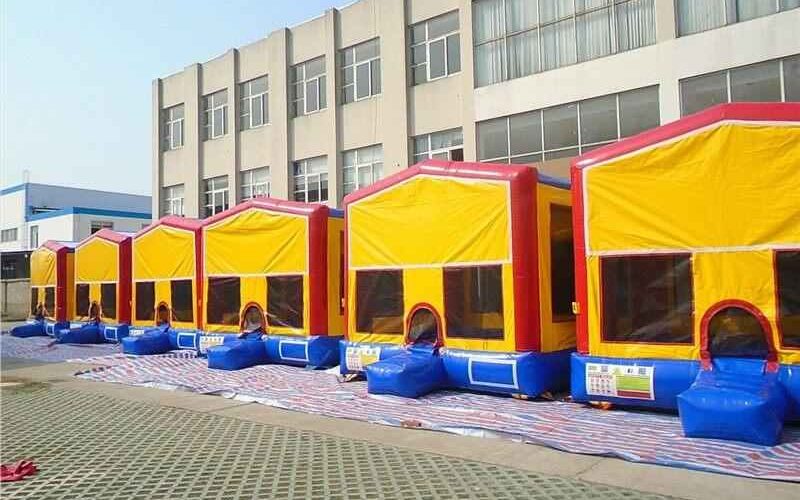
Buying a commercial jumping castle is different from purchasing a small inflatable for occasional home use. Commercial equipment may be used frequently, transported between venues and operated by different staff, so its construction, documentation and after-sales support all deserve careful attention.
Price matters, but it should not be the only deciding factor. A lower quotation may exclude the blower, accessories, documentation or delivery costs, while a more complete quotation may provide better long-term value.
Whether you are approaching East Inflatables Australia or comparing several commercial suppliers, preparing a clear list of requirements will help you receive more accurate product recommendations and quotations.
The following buying process can help Australian rental businesses, event operators and commercial venues compare manufacturers and make a more informed decision.
Stage One: Define What You Actually Need
Before contacting a manufacturer, decide how the inflatable will be used.
Consider:
- The intended age group
- Indoor or outdoor operation
- Private parties, public events or commercial venues
- Expected frequency of use
- Available setup space
- Maximum permitted height at typical venues
- Dry use, wet use or both
- The expected number of users
- Available storage and transport capacity
These details affect the most suitable size, layout and construction. A compact jumping castle may suit backyard parties, while a larger combination unit could be more appropriate for schools, community events or busy rental operations.
Providing clear requirements from the beginning also makes it easier to obtain accurate and comparable quotations.
Stage Two: Request Specifications, Not Just Photographs
Product photographs can show the theme and general appearance, but they do not provide enough information for a commercial purchase.
Ask each manufacturer to supply written specifications covering:
- Overall length, width and height
- Approximate packed dimensions
- Product weight
- Recommended user age
- Intended user capacity
- Material type and thickness
- Number and position of anchoring points
- Required blower quantity and power
- Included accessories
- Production time
- Warranty coverage
Check whether the dimensions describe the inflatable itself or the complete operational area. Extra space may be required for anchoring, impact mats, the blower, electrical cables and safe access around the unit.
Detailed specifications will also help you determine whether the product can fit inside your vehicle, storage area and regular event venues.
Stage Three: Look Beyond “Commercial Quality”
The phrase “commercial quality” is widely used, but it does not explain how an inflatable is actually constructed.
Ask for details about the PVC material, internal reinforcement and stitching. Areas exposed to frequent movement or pressure should receive particular attention, including:
- Entrances and exits
- Step areas
- Climbing sections
- Slide platforms
- Internal baffles
- Wall connections
- Anchor points
- High-contact floor areas
Frequently used sections may benefit from additional reinforcement or replaceable wear covers. These features can make future maintenance easier and help protect the main structure.
Material weight or thickness alone does not guarantee durability. Cutting accuracy, seam construction, reinforcement placement and overall workmanship are equally important.
Stage Four: Confirm the Blower Is Suitable for Australia
A commercial jumping castle depends on continuous airflow, making the blower an essential part of the complete system.
Confirm that the supplied blower is suitable for the intended Australian power supply and operating environment. Request its model, voltage, frequency and rated power before ordering.
You should also ask:
- How many blowers are required?
- Is each blower included in the quoted price?
- Is the plug suitable for use in Australia?
- Is the blower intended for commercial operation?
- Are operating instructions provided?
- What warranty applies to the blower?
- Are replacement blowers or parts available?
The blower must be correctly matched to the inflatable. An unsuitable unit may not maintain the intended operating pressure, while an unnecessarily powerful blower may increase electricity use without providing a practical benefit.
Electrical equipment used at events must also be managed appropriately. Depending on the venue and local requirements, this may include inspection, testing and suitable residual-current protection.
Stage Five: Compare What Each Quotation Includes
Two quotations can look similar while covering very different products and services.
A useful quotation should identify:
- The exact product or model
- Final dimensions
- Material specifications
- Custom colours, artwork or branding
- Blower quantity and specifications
- Ground stakes and other accessories
- Repair materials
- Packing method
- Documentation
- Production time
- Warranty terms
- Freight arrangements
- Any taxes, duties or destination charges
Compare the total package rather than looking only at the initial product price.
If a quotation is unusually low, check what has been excluded. Freight, customs-related costs, delivery from the port and replacement accessories can significantly affect the final amount paid.
Stage Six: Ask Which Documents Will Be Supplied
Commercial operators may need supporting documents for internal safety procedures, venue approval, insurance discussions or local compliance requirements.
Before placing an order, ask whether the manufacturer can provide documents relevant to the specific product, such as:
- Product specifications
- Operating instructions
- Setup and dismantling guidance
- Anchoring information
- Inspection and maintenance guidance
- Blower information
- Material information
- Identification labels
- Relevant test reports or certificates
- Design or engineering documents, where required
Do not assume that a general certificate automatically applies to every inflatable sold by a manufacturer. Check whether the document identifies the relevant material, blower, product category or model.
Requirements can vary according to the inflatable, its height, the way it is operated and the Australian state or territory in which it will be used. If registration, engineering verification or insurer approval may be required, confirm this before production rather than after delivery.
Stage Seven: Approve the Design Before Production
Custom colours and artwork can help a rental business build a recognisable product range, but the final design should be checked carefully before manufacturing begins.
Review:
- Overall dimensions
- Entry and exit positions
- Climbing and sliding direction
- Safety wall arrangement
- Colour placement
- Printed artwork
- Business logos
- Warning labels
- Blower tube positions
- Anchor-point locations
A visual rendering is helpful, but it should be supported by written specifications. Computer-generated images may not show every seam, vent, reinforcement panel or minor manufacturing detail.
Make sure the final approved design matches the written quotation. If changes are made after approval, request an updated drawing or specification before production continues.
Stage Eight: Understand Production and Delivery
Manufacturing time is only one part of the complete delivery schedule.
The process may include:
- Confirming the specifications
- Approving the artwork or drawings
- Paying the deposit
- Producing the inflatable
- Completing quality checks
- Packing the order
- Arranging international transport
- Completing customs clearance
- Delivering or collecting the shipment
Ask whether the quoted lead time begins when the order is placed, when the deposit is received or when the design is approved.
For imported equipment, confirm the agreed delivery terms and responsibilities. You should know whether the quotation covers port delivery, depot collection or delivery to your business address.
Request the approximate packed weight and dimensions in advance. This information will help with freight planning, unloading, storage and future transportation to events.
Stage Nine: Review the Warranty Before Paying
A warranty should explain more than its duration.
Ask the manufacturer what it covers, what it excludes and how a claim is handled. Commercial inflatable warranties may treat manufacturing faults, accidental damage, normal wear and blower problems differently.
Check:
- The warranty period for the inflatable
- The separate warranty period for the blower
- Whether seams and artwork are covered
- Which types of damage are excluded
- Whether replacement parts are available
- Who pays freight for approved repairs or replacements
- What photographs, videos or records are required for a claim
- Whether remote repair guidance is available
No commercial inflatable will remain maintenance-free indefinitely. Access to matching material, repair components and practical technical support can be more valuable than an impressive but unclear warranty statement.
Before Paying a Deposit
Complete one final review before committing to the order.
Confirm that you have:
- A written quotation
- Final product specifications
- An approved design
- Clear payment terms
- An estimated production schedule
- Confirmed freight arrangements
- A list of included accessories
- Details of supplied documents
- Written warranty conditions
- The manufacturer’s correct business and payment information
If something important has only been discussed by phone or messaging, ask for it to be added to the quotation, invoice or order confirmation.
Keep copies of all drawings, specifications, payment records and correspondence. These records can help if questions arise during production, delivery or future maintenance.
After the Jumping Castle Arrives
Inspect the shipment before placing the inflatable into service.
Check the packaging for visible damage and confirm that all listed items have arrived. Inflate the unit in a suitable controlled area and inspect:
- The overall shape and stability
- Seams and reinforced areas
- Entry and exit points
- Climbing and sliding surfaces
- Anchor points
- Blower tubes and closures
- Printed artwork and labels
- Blower operation
- Supplied accessories
Compare the delivered product with the approved design and written specifications. Record its model and serial information, and store the manuals and related documents where staff can access them.
The inflatable should also be assessed according to the operator’s inspection procedures and any applicable Australian requirements before being used by customers.
Choose Clarity Over Promises
A reliable commercial jumping castle manufacturer should be able to explain what is being supplied, how the product is constructed and what support is available after delivery.
The strongest purchasing decision is rarely based on one photograph or the lowest advertised price. It comes from comparing complete specifications, construction details, documentation, freight terms and warranty support.
Taking time to verify these points before ordering can reduce unexpected costs, simplify future operations and help you choose equipment that genuinely suits your business.