
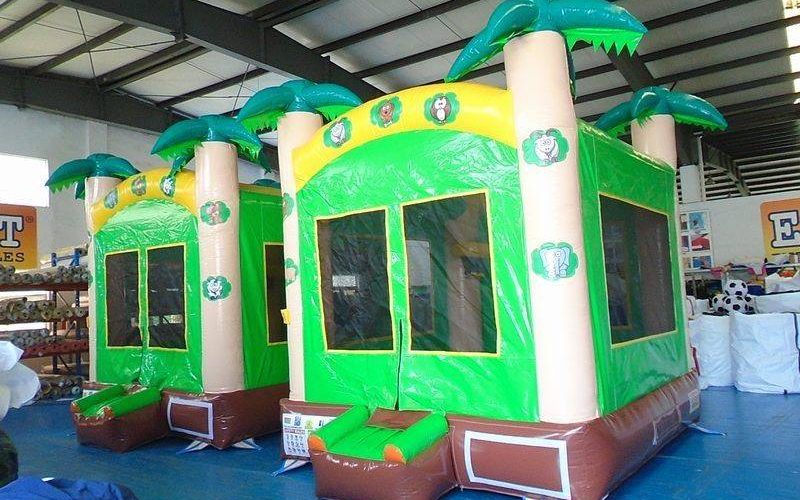
A commercial jumping castle should be inspected before every use—not only when it looks damaged. It should also be monitored during operation, checked after each event and professionally assessed at appropriate intervals.
In Australia, the inspection schedule may depend on the type of inflatable, its platform height, operating conditions and the requirements of the relevant state or territory. The manufacturer’s instructions should always form part of the inspection process.
Here are the five main times when an inspection should take place.
1. Before Transporting It to the Event
A quick check at the storage location can prevent damaged or incomplete equipment from being sent to a customer.
Look for moisture, visible fabric damage or problems recorded after the previous hire. Confirm that the correct blower, anchoring equipment, electrical leads and impact mats are ready for transport.
If the inflatable was packed after rain or heavy use, make sure it has dried completely. Storing it while damp may encourage mould, staining and unpleasant odours.
This is also a good time to review any unresolved maintenance notes.
2. During Setup
The most important routine inspection takes place while the jumping castle is being installed.
Begin by checking the venue. Look for uneven ground, sharp objects, overhead branches, power lines, nearby structures and other hazards. There must be sufficient space for the inflatable, blower, anchors, electrical cables and safe access around the unit.
As the jumping castle is unfolded and inflated, inspect the fabric, seams, blower tubes, entrances, climbing areas, slide surfaces and anchor points.
All required anchor points should be secured according to the manufacturer’s instructions. If ground stakes cannot be used on concrete or another hard surface, the alternative anchoring method must be suitable for that inflatable. Convenient objects should not be used as improvised weights.
Once inflation is complete, walk around the entire unit. It should stand evenly, maintain the correct pressure and remain stable before anyone is allowed to enter.
3. While It Is Operating
An inflatable that passed its setup inspection still needs to be monitored throughout the event.
The attendant should watch the users as well as the equipment. Overcrowding, unsafe behaviour or mixing users of significantly different sizes may create unnecessary risks.
The operator should also look for changes in inflation pressure, movement around the anchors, loosening restraints, unusual blower sounds or damage developing around high-wear areas.
Weather conditions require particular attention during outdoor events. On-site wind can be different from the general weather forecast and may change quickly. The inflatable must not operate above the wind limit specified for the product.
If weather conditions become unsafe or the jumping castle loses pressure, users should be removed and operation stopped until the cause has been identified.
4. After Each Event
An after-use inspection helps find damage before the inflatable is cleaned, packed and stored.
Pay attention to the entrance, steps, seams, slide surfaces, mesh panels and anchor points. Check for new cuts, abrasions, loose stitching or damaged straps. The blower and electrical equipment should also be examined for visible problems.
Any fault should be recorded and addressed before the next hire. A small seam opening or weakened anchor point may become more serious during transport or future use.
Clean the jumping castle as required and allow it to dry before packing. Dirt and moisture can hide damage and contribute to deterioration during storage.
5. After Damage and at the Annual Inspection
Do not wait for the next scheduled inspection if the jumping castle has experienced unusual conditions.
An additional inspection may be necessary after strong winds, anchor movement, overloading, transport damage, a serious loss of pressure or a significant repair. The unit should remain out of service if there is any doubt about whether it can be operated safely.
Australian work health and safety guidance states that a detailed inspection of an amusement device should be carried out at least once every 12 months by a competent person.
For certain continuously blown inflatables with a platform height below nine metres, the competent person may demonstrate the required knowledge and skills through training, qualifications or experience. Different requirements may apply to other amusement devices or in particular jurisdictions.
An annual inspection is more detailed than a routine setup check. It should consider the condition of critical components, previous faults, maintenance history, repairs, anchoring equipment and relevant electrical systems.
How Often Is Maintenance Needed?
Annual inspection does not mean maintenance should occur only once a year.
The appropriate maintenance interval depends on how frequently the jumping castle is hired, how it is transported, where it is used and whether it has a history of repairs.
An inflatable used several times each week may need closer scheduled checks than one used only occasionally. Outdoor exposure, rough ground, frequent packing and heavy traffic can all increase wear.
Operators should base their maintenance schedule on the manufacturer’s instructions, operating history and the actual condition of the equipment.
What Records Should Be Kept?
A simple inspection log can include the date and location of use, the person completing the check, faults identified, repairs performed and any unusual event that occurred during operation.
Annual inspection records, maintenance details and relevant operating documents should also be kept together. Clear records make recurring problems easier to identify and help prevent damaged equipment from being returned to service accidentally.
A Practical Inspection Routine
The safest approach is not to rely on a single inspection.
Check the jumping castle before transport, inspect it carefully during setup, monitor it throughout operation and examine it again after use. Arrange additional checks after damage or unusual conditions, together with the required detailed annual inspection.
This routine can identify problems earlier, reduce unexpected equipment failure and help keep a commercial jumping castle in serviceable condition.